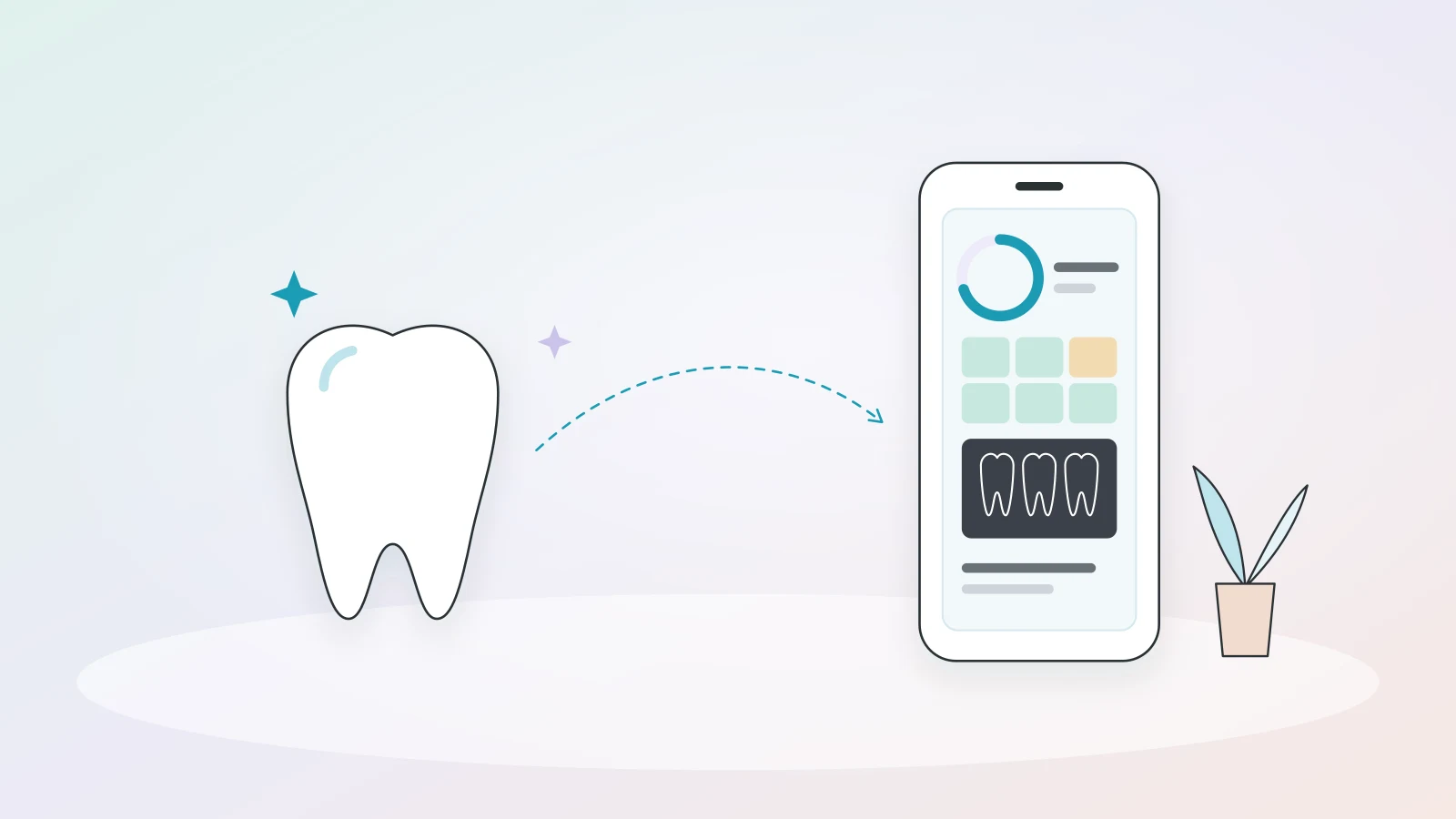
A patient pays £85 for a check-up. They spend twenty minutes in your chair. You check every tooth, measure their gums, take X-rays, look for signs of oral cancer and talk them through what you found.
Then they go home with a receipt and a recall date.
From the patient’s side, that can feel like £85 for “everything looks fine”. The value of your work was real. They just could not see it.
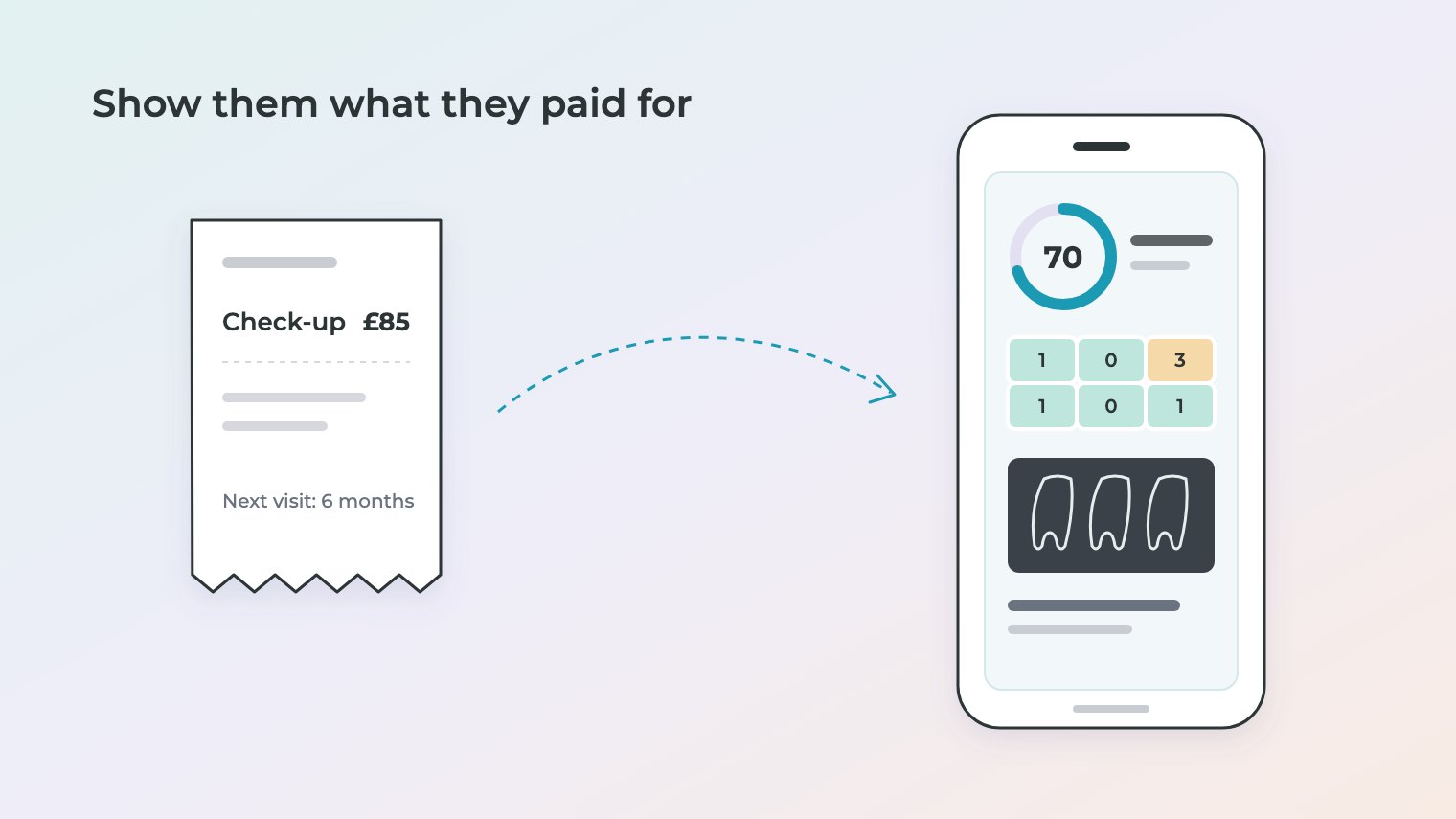
We think that is one of the biggest missed opportunities in dentistry. So we built Lumina’s patient portal to fix it.
Patients already expect to see their records
This is not a niche demand. In November 2025 alone, people viewed their GP health records 20.8 million times in the NHS App, which now has more than 39 million registered users.
Your patients are used to opening an app and seeing their own health information. Dentistry has mostly not caught up.
Booking has moved the same way. Data from Software of Excellence suggests 47% of dental bookings are made outside business hours. Patients plan their care in the evening, on their phone, when your reception is closed.
Online booking is now the starting point. The real difference is what the portal shows a patient after the appointment.
What your patients actually see
When the clinician completes an exam in Lumina, the patient gets an email to say their report is ready. They open it and see a clear report, written for them, not for a clinician.
Notes from your dentist. The notes the clinician approved for that visit, so the patient can read back what was said in the surgery.
Their gum health, explained. BPE scores show as a simple map of the six areas of the mouth, coloured from healthy to “keep an eye on this”. The report explains the 0 to 4 scale in plain words, how many areas need watching and whether there was any bleeding. Plaque and bleeding scores sit alongside, with previous readings, so the patient can see whether they are improving.
Their risk profile. Tooth decay, gum health, tooth wear and oral cancer, each rated low, medium or high, with a note when that has improved or increased since last time.
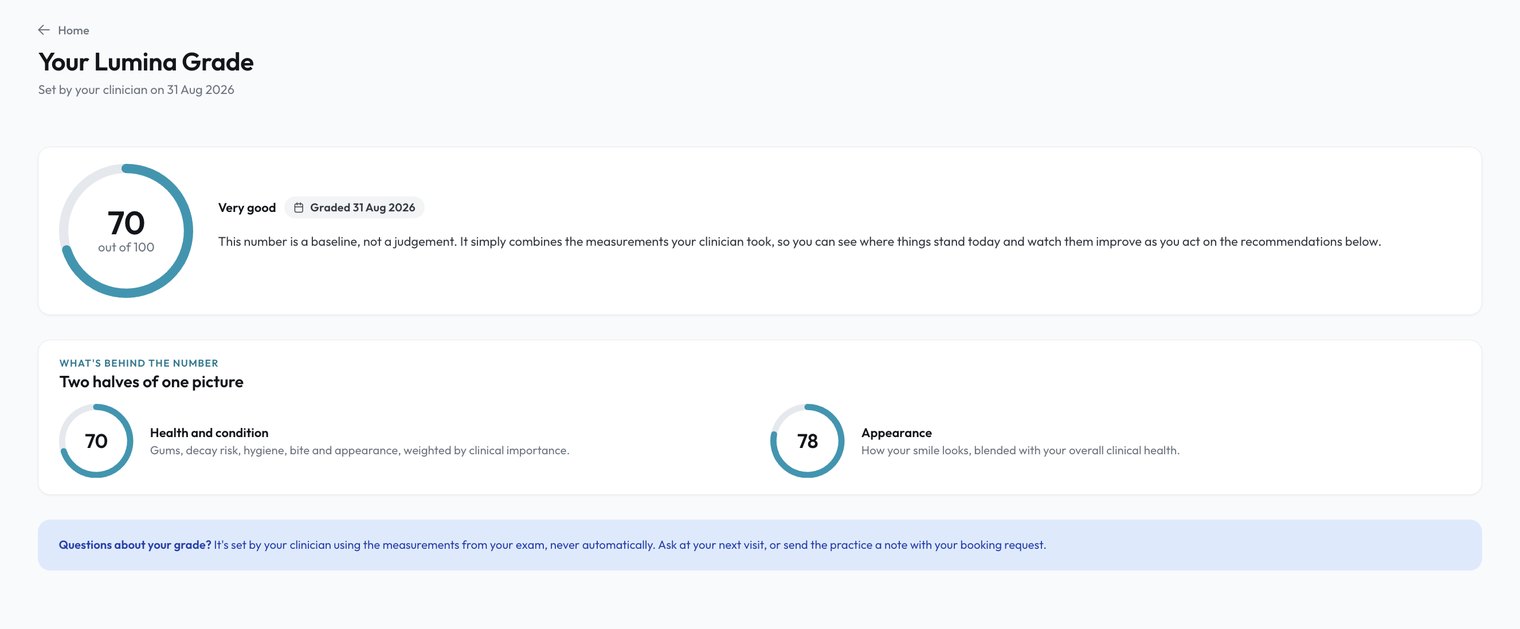
The Lumina Grade. An overall oral health score out of 100, set by the clinician and never generated automatically. It shows whether the patient has gone up or down since their previous exam, and lists the actions that would improve it. We describe it to patients as “a baseline, not a judgement”. The practice can turn it off if they prefer.
X-rays and photos, with the reason they were taken. Images from the exam appear in the report with a plain explanation of why X-rays matter. Photos, X-rays and 3D scans can all be shared, and nothing leaves the practice unless it is shared.
What happens next. Recommendations from the dentist, the treatment that is planned, the teeth it involves and what it costs. Consent forms can be read and signed at home, in the patient’s own time, before treatment day.
Prescriptions. What was prescribed, with clear instructions on how and when to take it.
Put together, this is not a one-off report. Each visit adds to it. The patient can see where they started, what has changed, and where their care is going next.
Why this matters for patients
A patient who understands their mouth makes better decisions about it.
Low health literacy is common. Over 40% of adults in England do not fully understand everyday health information. A conversation in the chair, when the patient is lying back and possibly anxious, is not the easiest place to take it all in.
Research in the British Dental Journal found that patients who were shown images of their own mouths said it helped them understand and reduced their anxiety.
The portal gives them that understanding at home, when they are calm and can read it twice. We have spoken directly with anxious patients who value being able to come back to their report between appointments.
That is better care. And better care is why most of us got into this.
Why it matters for your practice
Better care and a healthy business are not in conflict here. They go together.
Patients come back. When patients can see why their next appointment matters, they are more likely to keep it. Across the US, Epic Research found that patients with an active portal account missed 21.5% fewer appointments. And keeping a patient costs far less than finding a new one, by 5 to 25 times in most industries.
Patients say yes to treatment. A patient who sees their own gum scores going the wrong way, and the X-ray that shows why, does not need a hard sell. They understand the reason for the treatment and the cost before they come back in.
Patients talk. Most people still find a dentist through someone they know. A patient who opens a clear, personal report about their own mouth is likely to show it to someone. That is the kind of experience people remember and recommend.
You stand out. Most practice systems treat the patient portal as a place to book and pay. Ours is built around the record your team already keeps, so the report fills itself from the work you have already done.
MySmile: a conversation from the sofa
Some conversations do not start in the surgery.
According to the Oral Health Foundation, 51% of British adults often feel anxious about how their smile looks. Many of them never mention it at a check-up.
MySmile lets patients send your team photos and a short note from home: “What would you like to change or ask about?” The portal guides them through which photos to take. A clinician replies in a simple message thread, and the photos become part of their dental record.
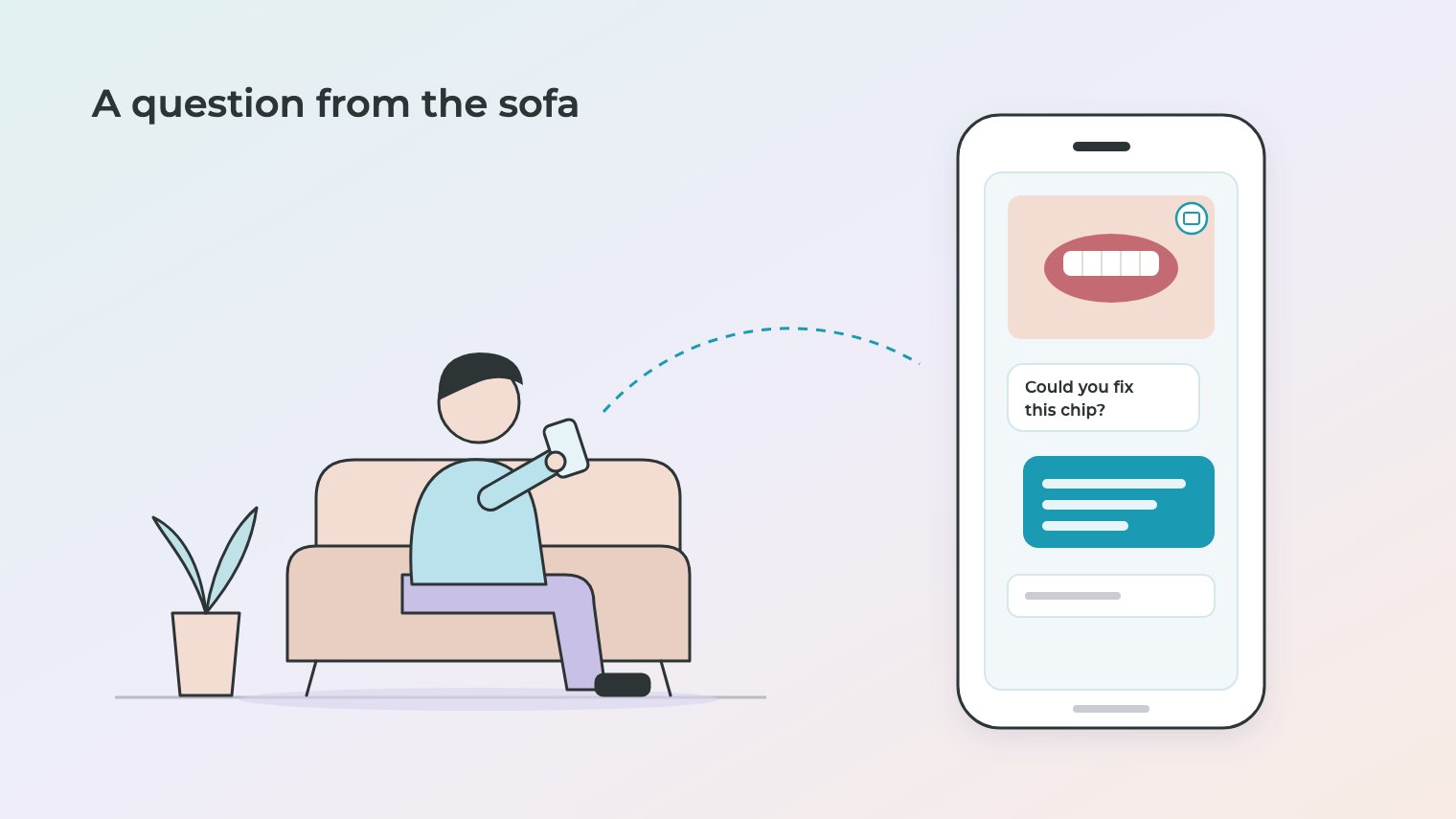
At home, without the pressure of the chair, patients are more likely to ask about whitening, straightening or that chipped tooth that has bothered them for years. MySmile gives that question somewhere to go, and gives your team a warm lead.
No friction getting in
None of this works if patients cannot get in. Every extra step is a reason to give up, so we removed as many as we could.
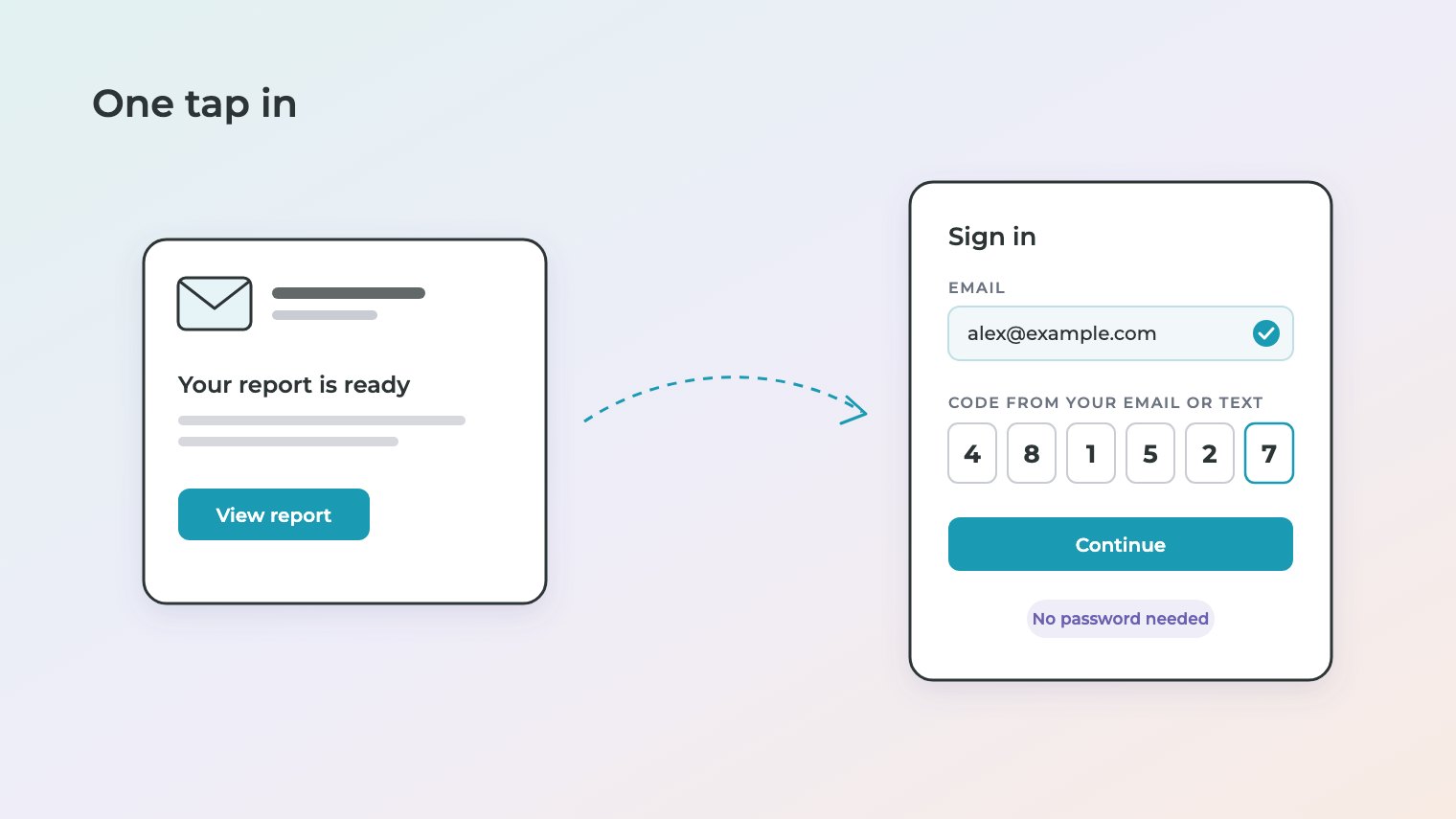
No account to create. Registering at your practice creates the patient’s account. There is no sign-up form and no activation link.
Their email is already filled in. Every email the patient gets from your practice, from a new report to a consent form, links straight to the right page with their email address already filled in. It sounds small. It is the difference between one tap and a patient trying to remember which address they gave you.
No password. Patients sign in with a one-time code sent by email or text. Nothing to remember, nothing to reset, and no “forgot password” call to your reception.
More security when they want it. Patients who want extra protection can switch to a passkey, or to a password with two-factor verification by authenticator app or text. Simple by default, stronger by choice.
From there, they can request appointments, reschedule, cancel within your rules, pay deposits and balances, complete their medical history and sign consent forms. Your team stays in control of what can be booked and what is shared.
Take a look
You already do the work. Your patients should be able to see it.
If you would like to see the portal from the patient’s side, book a demo and we will walk you through a real report. Or get started for free and explore it at your own pace.